

Technologies
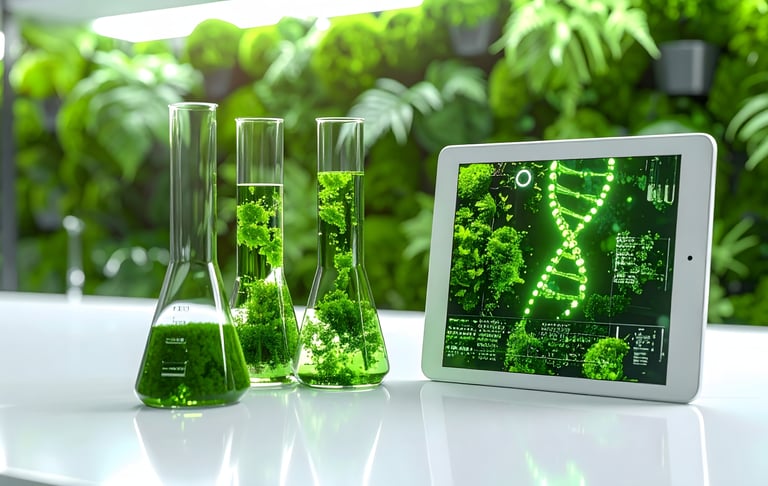
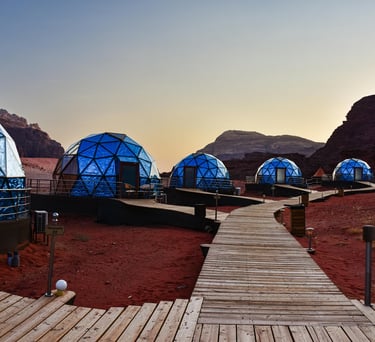
Our work in environmental biotechnology and desert‑adapted agricultural systems focuses on solutions that support long‑term ecological stability, soil regeneration, and sustainable resource management. These technologies are designed for global use, with particular relevance for regions exposed to extreme climatic conditions such as the United Arab Emirates, the Kingdom of Saudi Arabia, and the broader Middle East.
Environmental Biotechnology
· microbial and enzymatic systems for soil and water remediation
· CRISPR‑based engineering of microorganisms
· reduction of heavy metals and industrial pollutants
· biodegradation of persistent organic compounds
· microbial consortia designed for high‑temperature environments
· bio electrochemical environmental systems
AgriTech and Desert Agriculture
· biotechnological enhancement of desert soils
· soil‑stabilizing biopolymers and biosurfactants
· deep‑irrigation and water‑efficiency systems
· use of saline and marginal water resources
· layered biomaterials and biochar
· hybrid soil-soilless systems adapted to high temperatures
Climate Technologies and Heat‑Resilient Infrastructure
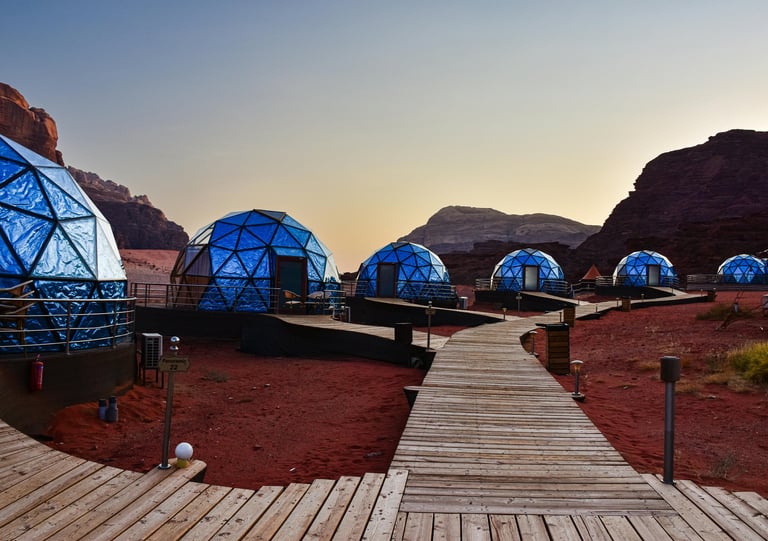
This area includes solutions designed for high‑temperature environments, limited water availability, and rapidly changing climatic conditions. These technologies support the operation of infrastructure, environmental systems, and critical sectors in dry and hyper‑arid regions, including United Arab Emirates, the Kingdom of Saudi Arabia, and the wider Middle East while remaining fully scalable globally.
Scope includes:
· technologies supporting infrastructure adaptation to extreme temperatures
· systems enhancing environmental resilience and operational stability
· solutions enabling efficient resource management in water‑limited
environments
· environmental technologies reducing pressure on natural resources
· systems supporting long‑term ecological stability
· deployment models for countries with diverse climatic conditions
· environmental cooling technologies and climate‑adaptation systems


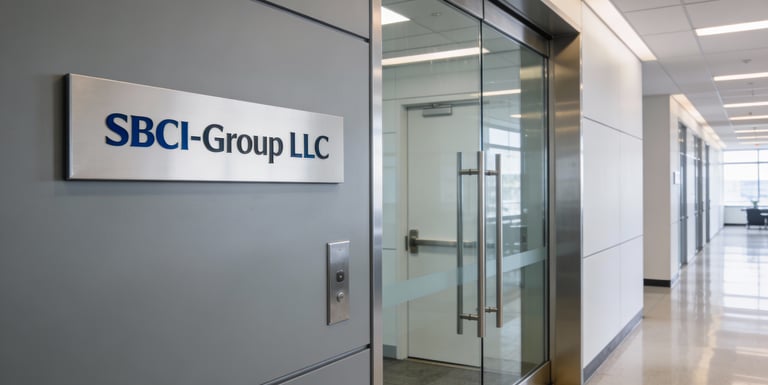
Headquarters – United States
Office (General Inquiries) office@sbci-group.com
© 2025 SBCI-Group LLC. All rights reserved
Legal & Compliance Privacy Policy Terms of Use SBCI-Group LLC EIN: 93-5119280 Filing ID: 2023-001292466
Opening hours:
Ahmed Amir Al Saeed Founder & Managing Partner (UAE Resident) Tel: +971 56 550 3666 e-mail: ahmed@sbci-group.com
Key Contact:
Head of US: Ahmed Rogojski Deputy Managing Partner Tel: +1 351 221 5216 e-mail: ahmed.us@sbci-group.com
Tomasz Małocha Board Member Tel: +48 722 057 555 e-mail: tomasz.malocha@sbci-group.com Lublin, Poland
Social Media: