


Our Services


Technology Transfer & Commercialization Center
Our center provides the operational structure necessary to commercialize biotechnology innovations from Poland and the USA within the UAE and GCC markets. We execute the following strategic models:
Pillar I: Development & Transfer
We manage the transition of high-potential research from laboratory and academic phases into commercial entities. We handle the full process of moving technology from research institutions into viable business operations.
Pillar II: Joint Implementation
We act as an implementation partner for owners of established technologies. We lead project localization, manage market entry, and oversee operational scaling throughout the Middle East.
Pillar III: IP Monetization & Strategic Exit
For startups and technology owners: we identify strategic investors and institutional buyers for complete Intellectual Property (IP) portfolios, ensuring a structured and highvalue exit.
Operations:
Analysis & Audit: Verification of TRL, technical barriers, and market potential according to GCC regional requirements. IP Strategy: Intellectual Property protection and global market entry models. Investment Matchmaking: Identifying and establishing relations with investment funds and industrial partners for technology acquisition or financing. Regulatory Support: Comprehensive certification pathways (FDA, EMA, MOH) and preparation of technical and clinical documentation.
Target Groups:
Scientific Institutions: Transfer of research results to the industrial sector. Technology Owners: Joint implementation and market expansion. Startups: Sale of completed projects and securing growth capital.


Global Projects
A key area of focus is the growing burden of cancer, immune system disorders, and chronic liver diseases, which represent one of the most serious global public health threats. Contemporary environmental conditions, infectious factors, chronic inflammation, and oxidative stress lead to immune dysregulation, cancer progression, and the worsening of metabolic and hepatological diseases, often with multisystem involvement.
Particular attention is directed toward understanding the immunological and molecular mechanisms responsible for the initiation and progression of cancer processes, hematological disorders, and liver dysfunction, as well as assessing the impact of infectious agents on population health and the development of metabolic disturbances. An essential aspect of this challenge is the analysis of the role of oxidative stress, chronic inflammation, and microcirculatory impairment in the progression of diseases associated with high mortality and limited effectiveness of existing therapies.
Within this context, advanced medical biotechnology represents a critical pathway for identifying new strategies to support immune system function, protect blood cells and tissues from oxidative damage, and modulate inflammatory processes, which is of fundamental importance for the future of oncology, immunology, hepatology, and modern public health.
Public Health & Advanced Medical Biotechnology
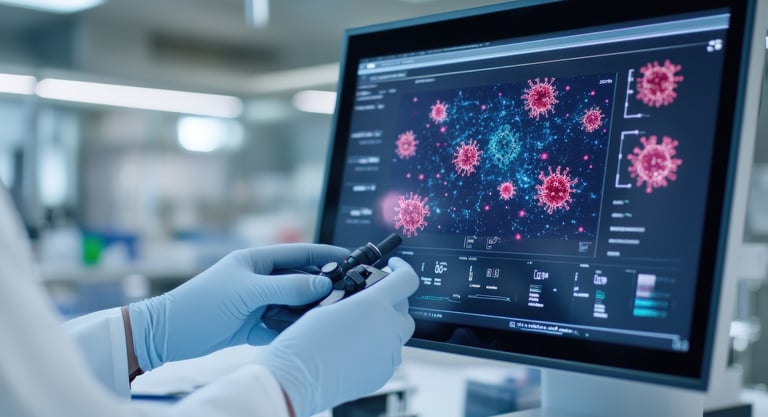
In the field of virology and infectious diseases, attention should be focused on zoonotic viruses that pose a real threat to public health, biological safety, and the stability of healthcare systems. Scientific collaboration on projects and technologies should concentrate on the identification, characterization, and risk assessment of viruses circulating in domestic and wild animal populations, capable of crossing species barriers, adapting to the human host, and causing severe diseases with epidemic or pandemic potential. Mechanisms of infection, transmission routes, pathogen genetic variability, and environmental factors that facilitate their spread, including specific climatic conditions and selective pressures within ecosystems, are analyzed. Animals such as camels and horses serve as natural virus reservoirs, and together with other livestock and domestic species, they play a key role in the dynamics of infections at both regional and global levels. Viruses such as West Nile virus (WNV), Usutu virus (USUV), Crimean-Congo hemorrhagic fever virus (CCHFV), and Rift Valley fever virus (RVFV) represent significant health threats, underscoring the importance of monitoring, early detection, and the development of effective prevention and control strategies.
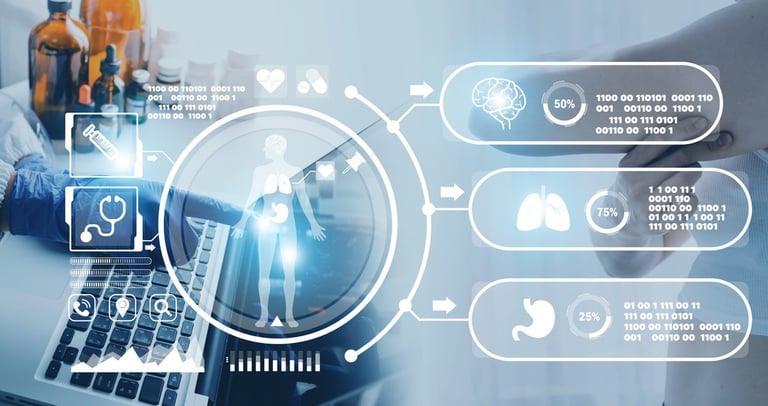
Virology & Infectious Diseases
Environmental Biotechnology
Environmental biotechnology represents the most advanced approach to pollution control, utilizing living organisms and biological processes for remediation of contaminated environments. Our priority is solving critical problems of soil and water contamination through innovative, sustainable, and economically efficient biological solutions.
Breakthrough Solutions
Genetic engineering of microorganisms using CRISPR-Cas9 – precise modification of bacterial genomes increases expression of pollutant-degrading enzymes, reducing petroleum hydrocarbon remediation time from months to weeks. Our research and testing demonstrate exceptional effectiveness and repeatability in chromium(VI) reduction achieving 99% toxicity neutralization and complete elimination of polychlorinated biphenyls (PCBs) - compounds that persist in the environment for decades.
Engineered microbial consortia – teams of bacterial strains with complementary metabolic pathways simultaneously eliminate heavy metals (copper, cadmium, lead) and organic pollutants in industrial wastewater, achieving up to 99% toxicity neutralization where conventional methods fail against mixed contamination.
Synthetic biology and modular enzymatic systems – enzymatic microcompartments inspired by cellular structures spontaneously degrade antibiotic residues, pesticides, and pharmaceutical compounds, ensuring complete toxicity elimination with improved catalytic efficiency and stability.
Microbial electrochemical systems – integration of bioremediation with energy recovery and real-time process optimization through advanced bioreactors and bioaugmentation and biostimulation strategies.


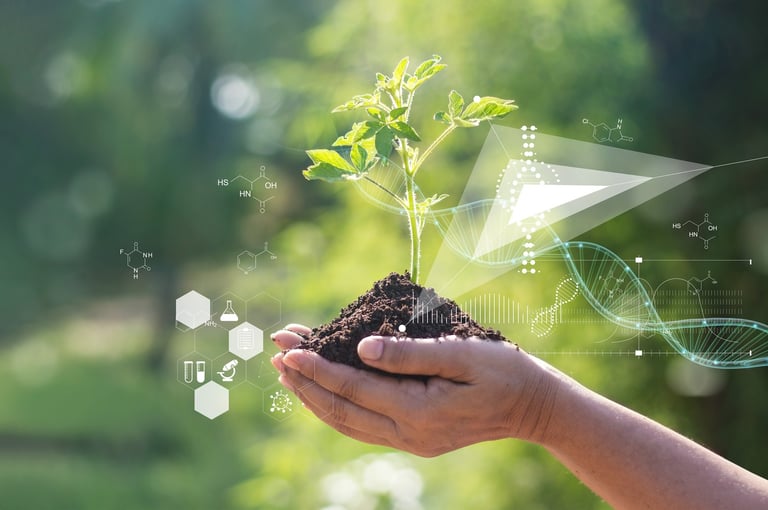
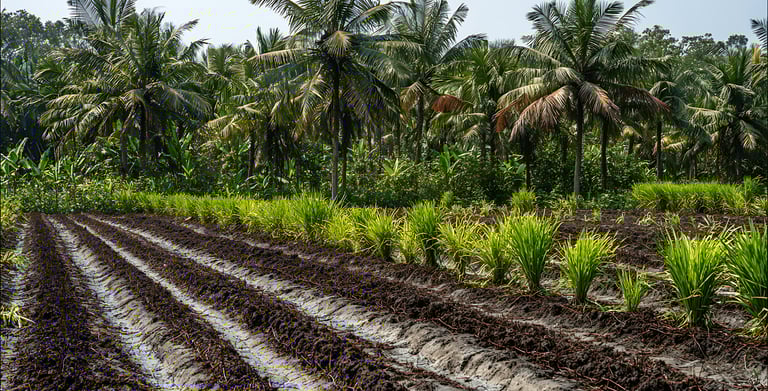


AgriTech & Desert Agriculture focus on developing solutions that enable stable food production under extreme climatic conditions – intense heat, chronic drought, water scarcity, and high salinity of soils and water. The starting point is the global food security challenge, which takes critical form in desert regions: import dependence, degradation of water resources, and minimal share of local, high-yield agricultural production.
Innovative Use of Desert Soils
Biotechnological "treatment" of desert soil – use of microorganisms, soil biopolymers, and biosurfactants to improve structure, water capacity, and nutrient availability in sandy and saline soils, enabling their transformation into productive substrates.
Deep and targeted irrigation systems – solutions combining precise water dosing with rhizosphere biostimulation, reducing losses through evaporation and surface runoff while enabling use of water with elevated salinity.
Soil profile modification – application of layered bio-materials, biochar, and microbiological carriers that create "functional zones" in desert soil, retaining water and nutrients within direct reach of the root system.
Integration of soil and soilless systems – hybrid solutions combining local desert soil with inert substrates and biotechnological components, reducing costs of full hydroponic systems while utilizing local resources.